
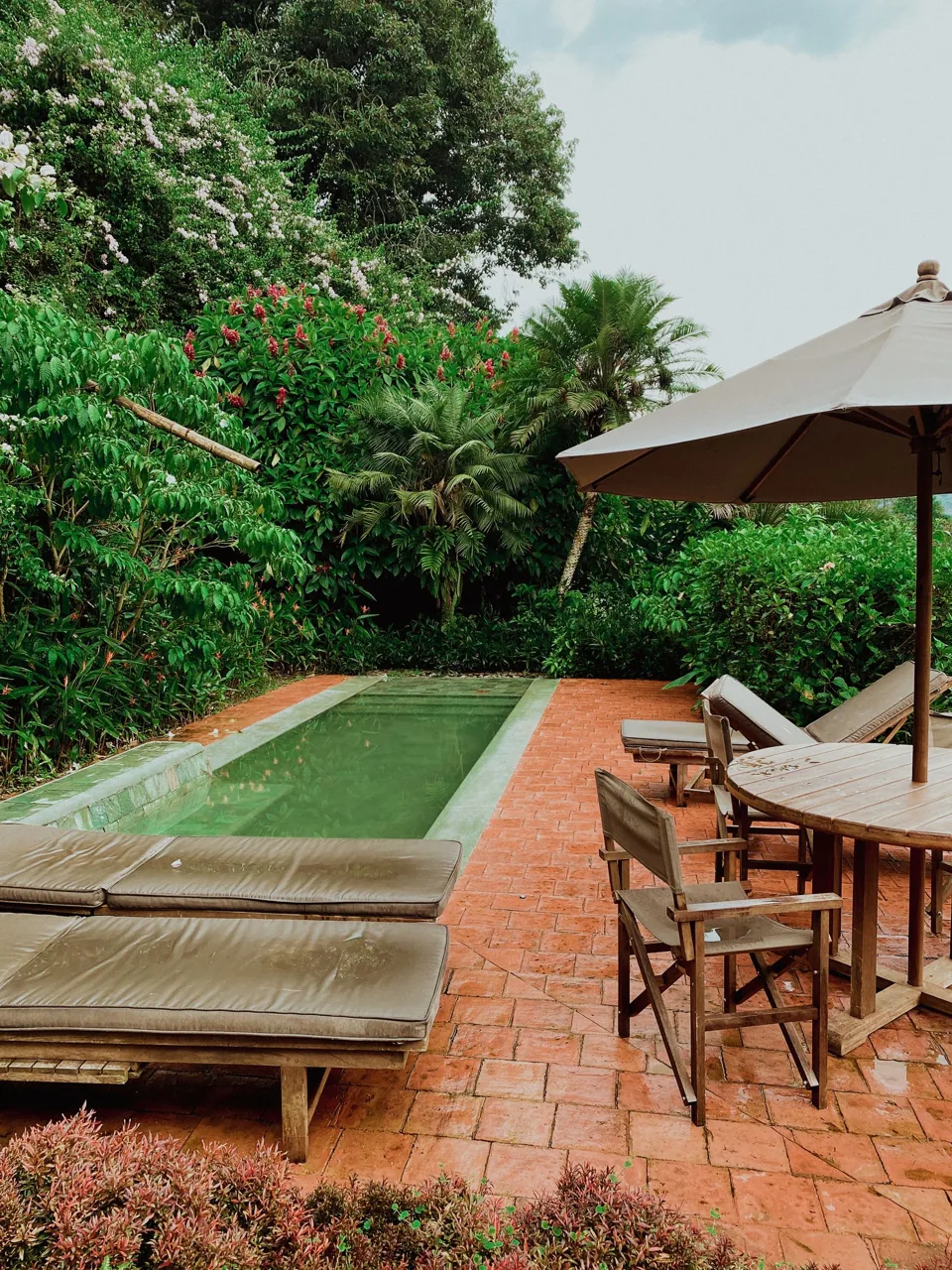
A tropical villa is under constant, quiet assault. Salt drifts in off the sea, the humidity rarely drops, and during the wet season the air holds moisture like a sponge. These conditions are exactly why Bali looks so lush — and also why a coastal property needs relentless upkeep to stay fresh. The difference between a well-run villa and a neglected one is almost entirely a difference in maintenance, and you can learn to read the signs.
Follow Your Nose
The first and most honest test is smell. A well-aired villa smells of nothing much, or faintly of the garden. A musty, earthy note — strongest in wardrobes, bathrooms and rooms that stay shut — is the smell of damp and the early stage of mould. Be wary of a villa drenched in air freshener or scented candles on arrival; heavy fragrance is often used to cover exactly this problem rather than to create ambience.
Check the Corners and the Grout
Mould shows itself in the places housekeeping rushes past. Look at the silicone sealant around showers and sinks, the grout between bathroom tiles, the ceiling corners of bathrooms, and the backs of wardrobes. Black or greenish speckling in these spots is a maintenance red flag. In a well-kept villa these surfaces are clean and the sealant is intact; in a neglected one they tell the real story the photographs never will.
How the Villa Handles Moisture
Good tropical properties are designed and run to move air. Ceiling fans, cross-ventilation, air-conditioning that is actually used to dehumidify, and — in the better villas — dehumidifiers or moisture absorbers in the wardrobes all keep damp at bay. Notice whether the linens feel crisp and dry rather than faintly clammy, whether books and furniture are free of that tell-tale foxing, and whether outdoor timber and rattan are oiled and sound rather than grey and splitting. These are the fingerprints of a villa that is looked after week in, week out.
Why It Matters Beyond Comfort
This is not merely aesthetic. Persistent damp and mould can irritate airways and trigger allergies, which is the last thing you want on a holiday. It also signals how the property is run overall: an owner who stays ahead of the humidity is almost certainly staying ahead of the plumbing, the electrics and the pool as well. Maintenance habits are consistent, and the bathroom grout is a surprisingly reliable window into all of them.
What to Ask, and What to Do
Before booking, it is entirely reasonable to ask how the villa is maintained during the wet season and whether the bedrooms have dehumidifying air-con. On arrival, open the wardrobes, run the bathroom taps, and trust your nose. If something feels damp, raise it with the manager straight away — a good operation will act, air the room out and, if needed, move you. A genuinely well-run tropical villa has nothing to hide from a humid afternoon, and it will feel fresh the moment you walk in.