
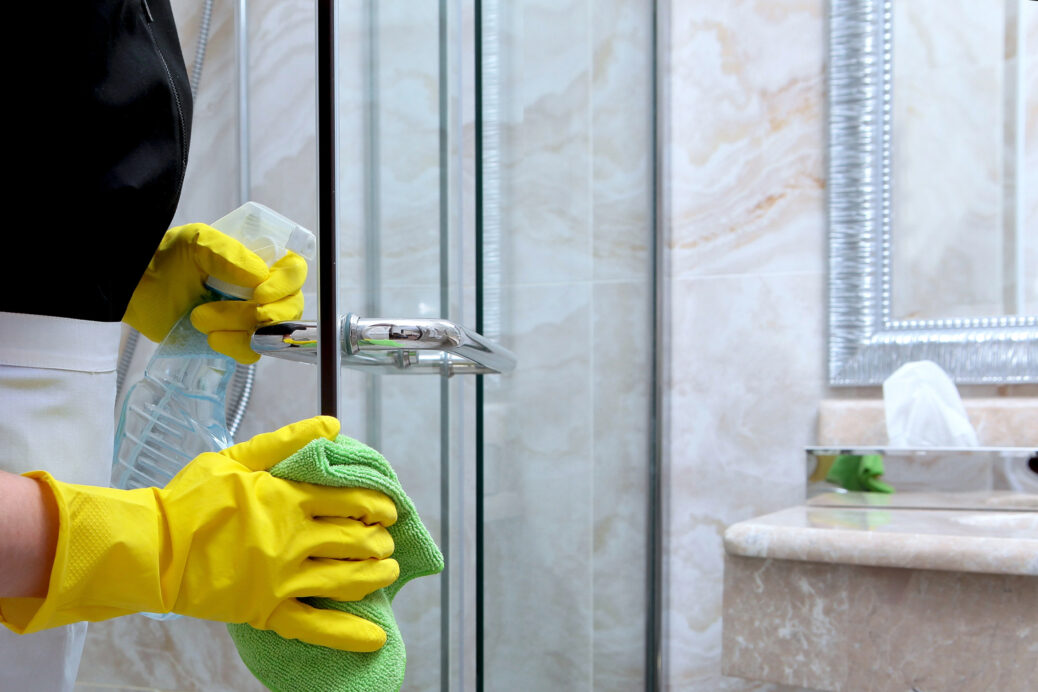
Beyond the Bedspread: How to Judge Hotel Hygiene Standards
In the post-pandemic world, hygiene is no longer just a “nice to have”—it is the single most critical factor in choosing accommodation. Whether you are booking a roadside motel or a luxury private estate, the cleanliness of your environment directly impacts your health and peace of mind.
But how do you actually judge it? A room can look clean but not be clean. A neatly made bed and a vacuumed carpet are the bare minimum, yet they often mask deeper issues. At Ocean Shores Quality Stays, we believe travelers need to be proactive. We need to look past the surface aesthetics and understand the protocols that keep us safe.
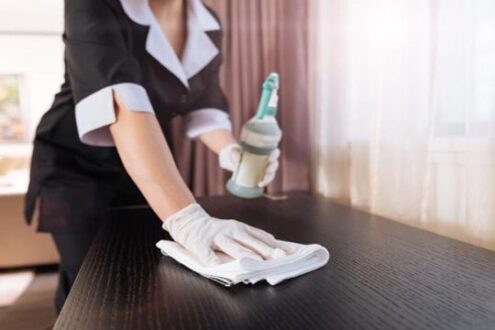
The “High-Touch” Test The first thing to inspect when you enter a room is not the view, but the “high-touch” surfaces. These are the areas that every single guest touches but housekeeping often overlooks in a rush.
-
The TV Remote: This is often the dirtiest item in a hotel room. Does it look grimy between the buttons? Is it sanitized in a plastic bag?
-
Light Switches and Door Handles: Look closely at the bathroom switches. Is there a visible smudge? If these obvious spots are missed, it is a red flag that the room was “tidied” rather than “sanitized.”
-
The Telephone: If the room has a landline, check the receiver. It is a bacteria trap.
Linens and Soft Surfaces We have all heard the horror stories about hotel bedspreads. Fortunately, most quality accommodations have moved to the “triple sheet” method or use duvet covers that are washed after every guest. If you walk into a room and see a heavy, patterned bedspread that looks like it hasn’t seen a washing machine since 1995, take it off immediately.
But look deeper. Check the pillows under the cases. Are there protectors? Check the mattress seams. These are the barriers between you and the previous occupants.
Ventilation and Air Quality Hygiene isn’t just about what you touch; it’s about what you breathe. In coastal accommodations, mold and mildew are the enemies. The salty, humid air is a breeding ground for fungi if the property isn’t well-maintained.
-
The Smell Test: Does the room smell musty? A heavy scent of air freshener is often used to mask the smell of mold.
-
The AC Vents: Look up. Are the vents covered in gray dust? This indicates that the filters haven’t been changed, meaning the air recirculating in your room is dirty.
Staff Protocols The best indicator of hygiene is the behavior of the staff. Do you see housekeeping carts with proper cleaning supplies? Are they wearing gloves? Reliable accommodations will be transparent about their cleaning protocols. They should be able to tell you exactly what products they use and how often public spaces are sanitized.
For a deeper understanding of what standards accommodations should be meeting, we recommend reviewing the guidelines set by major health organizations. The Centers for Disease Control and Prevention (CDC) provides comprehensive resources on environmental cleaning and disinfection. You can read their guidelines on travel health and hygiene here.
The Villa Advantage This is one reason why we are seeing a massive shift toward private villa rentals. In a hotel, you are subject to the hygiene habits of hundreds of other guests in elevators, lobbies, and breakfast rooms. In a private villa, you control the environment. The staff cleans only your space. The pool is yours alone. The risk of cross-contamination is significantly lower.
When you are booking your next trip, don’t be afraid to ask the hard questions. Ask about their “downtime” between guests. Ask about their laundry temperature. Your health is worth the awkwardness. A quality stay is a clean stay, and in today’s world, that is the ultimate luxury.