
Travel has changed. It is sleeker, faster, and more digital than ever before. We book rooms with a thumbprint, check in via kiosk, and unlock doors with our phones. But in this rush toward efficiency, have we lost some of the charm that made coastal travel so special? At Ocean Shores Quality Stays, we spend a lot of time looking forward, reviewing the latest luxury villas and modern resorts. But today, we want to take a moment to look back.
There is a certain nostalgia attached to the old-school motor inns and seaside lodges of the past. They weren’t always luxurious, but they had character. They had amenities that, while perhaps outdated by today’s 5-star standards, offered a tangible sense of welcome that is increasingly rare. Here are the top five coastal amenities we miss from the golden age of the “Quality Inn” era.
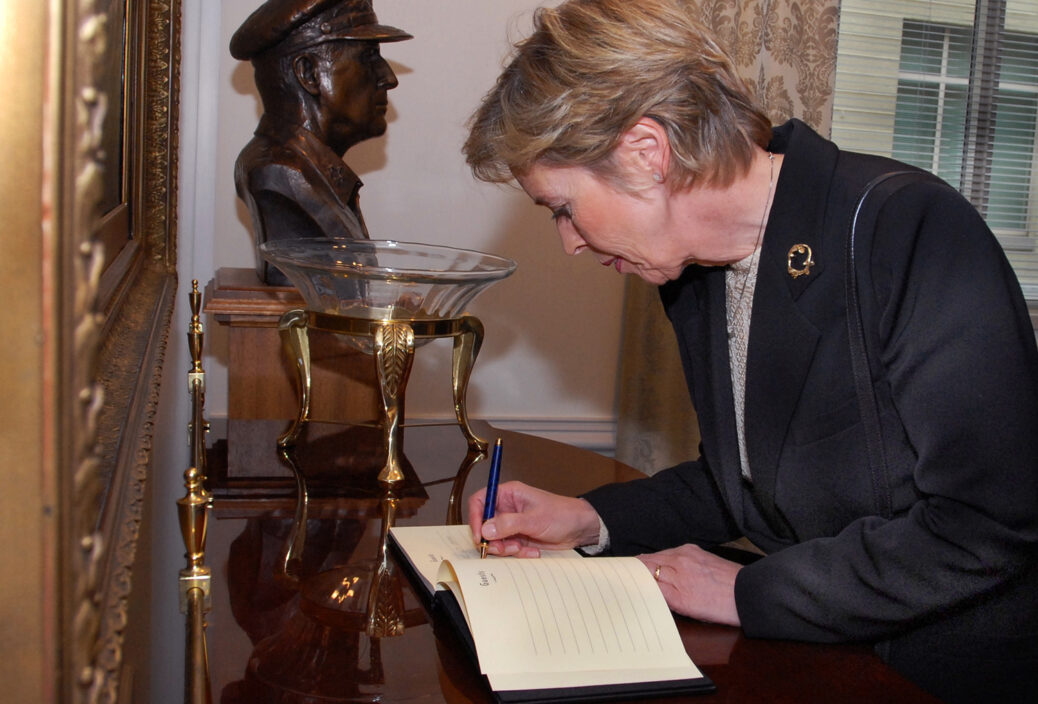
1. The Physical Guestbook Do you remember the guestbook? It usually sat on a slightly dusty table in the lobby, or sometimes right on the nightstand in your room. It was a physical record of everyone who had passed through before you. In the digital age, we have TripAdvisor and Google Reviews. These are efficient, sure. They tell us if the sheets are clean or if the Wi-Fi is slow. But they lack soul.
The old physical guestbook was different. It wasn’t about critiquing the service; it was about sharing a moment. You would read entries like, “The Smith Family, Oregon – Had a wonderful time, the kids loved the tide pools!” or “Just married! Stopped here on our way down the 101.” Reading these handwritten notes connected you to a history of travelers. It made you feel part of a community, not just a customer number. We miss the tactile experience of picking up a pen and leaving a mark that said, “I was here, and I was happy.”
2. The Complimentary Continental Breakfast (with the Waffle Maker) Yes, modern buffets are superior. They have omelet stations, gluten-free pastries, and espresso machines. But there was a specific, humble joy in the old continental breakfast. The centerpiece, of course, was the self-serve waffle maker.
There was a ritual to it. Pouring the batter from the plastic cup, flipping the heavy iron mechanism, and waiting for the timer to beep. It was interactive. It was the great equalizer of the breakfast room; CEOs and truck drivers alike stood in line, waiting for their waffles. It wasn’t gourmet, but it was reliable. It represented a time when “complimentary” felt like a genuine gift from the host, rather than a calculated inclusion in the resort fee.
3. Real Keys There is something psychologically satisfying about a heavy brass key attached to a large plastic diamond or oval tag. When you held it, you held the room. You knew exactly where it was in your pocket.
Today’s plastic key cards are convenient, but they are soulless. They demagnetize if you put them near your phone. You lose them constantly because they feel like trash. And don’t get us started on app-based entry, where you have to stand in the hallway waiting for your Bluetooth to connect while your battery dies. A real key was a promise of security. It had weight. handing it back to the front desk at checkout was a ceremonial end to the vacation.
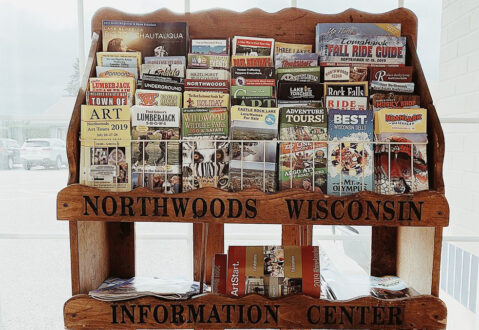
4. The “Local Tips” Brochure Rack Before smartphones, the lobby brochure rack was your internet. It was a colorful, chaotic mosaic of local attractions. “Mystery Spot,” “Sea Lion Caves,” “World’s Largest Ball of Twine.”
These racks were curated by the local community. They didn’t run on algorithms or paid ad spend in the same way modern search results do. They guided you to quirky, off-beat local businesses that you might never find on a “Top 10” listicle today. We miss browsing those racks while waiting for a taxi, pulling out a trifold pamphlet, and deciding on a whim to visit a local maritime museum. It encouraged spontaneity.
5. Human Interaction at Check-In This might be the biggest loss. In the drive for contactless everything, we have lost the chatty front desk clerk. In the old coastal inns, the person at the desk was often the owner or a long-time employee. They knew the tide times by heart. They knew which chowder place was actually good and which one was a tourist trap.
They didn’t just process your credit card; they welcomed you to their town. That five-minute conversation set the tone for the entire trip. While we love the privacy of modern villa rentals, we do miss that initial, warm, human spark that reassured you: “You’ve made it. You’re safe. Enjoy the ocean.”
Travel will keep evolving, and generally, it’s for the better. But every now and then, as we check into a sleek, automated glass-and-steel hotel, we find ourselves longing for a waffle, a heavy key, and a friendly face.